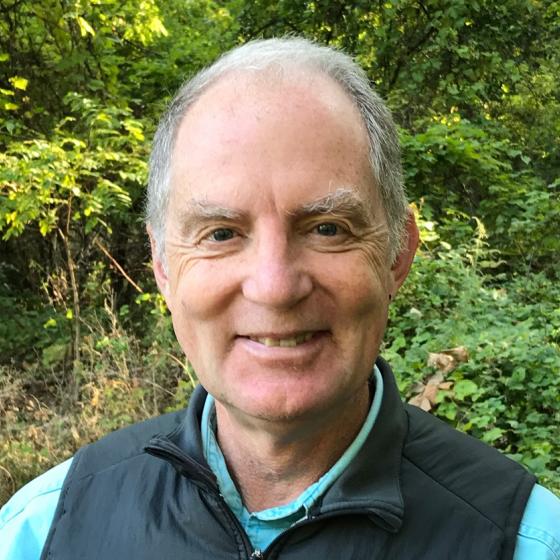
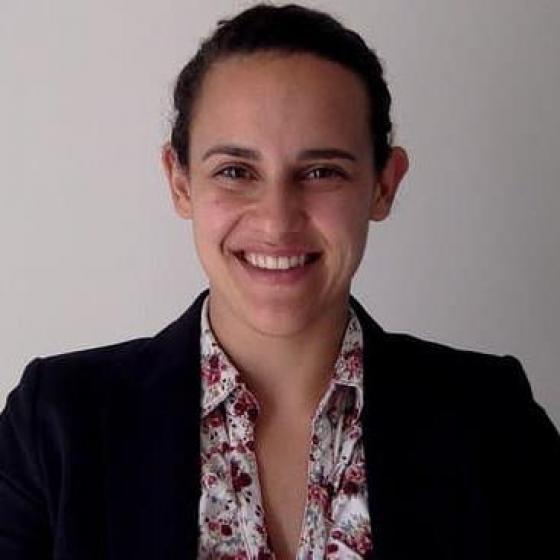
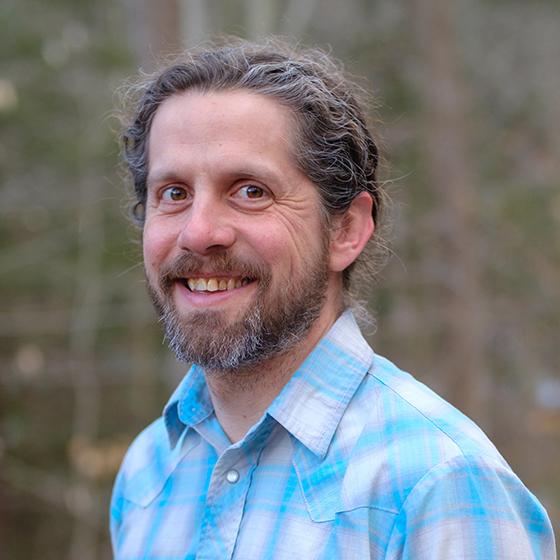
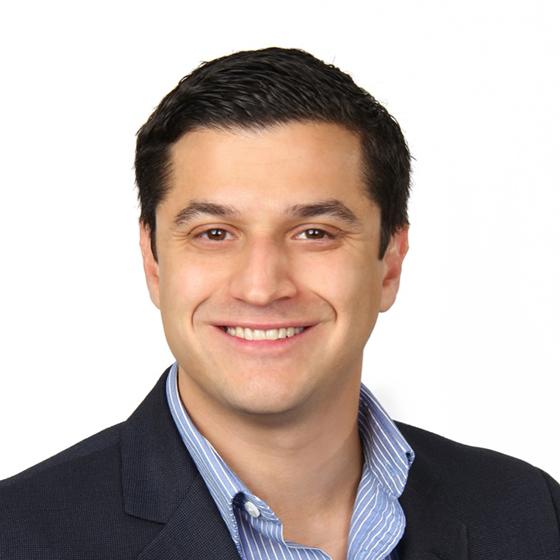
Geoffrey Abers Chair of Earth and Atmospheric Sciences Earth and Atmospheric Sciences 2160B Snee Hall/4126 Snee Hall 607/255-3879 William and Katherine Snee Professor in Geological Sciences abers@cornell.edu
Warren Douglas Allmon Hunter R Rawlings III Professor of Paleontology Earth and Atmospheric Sciences Paleontological Research Institution, 1259 Trumansburg Rd, Ithaca, NY 14850 607/273-6623 x14wda1@cornell.edu
Toby R. Ault Director of Graduate Studies for Atmospheric Sciences Earth and Atmospheric Sciences 2108 Snee Hall 607/255-1509 Associate Professor--Appointment is in the College of Agriculture and Life Sciences (CALS) toby.ault@cornell.edu
Grace Barcheck Assistant Professor Earth and Atmospheric Sciences 4112 Snee Hall Research Associate grace.barcheck@cornell.edu
Larry Douglas Brown Sidney Kaufman Professor in Geophysics Earth and Atmospheric Sciences 3120 Snee Hall 607/738-1792ldb7@cornell.edu
Arthur DeGaetano Director of Undergraduate Studies for Atmospheric Sciences Earth and Atmospheric Sciences 2116 Snee Hall 607/255-0385 Professor--Appointment is in the College of Agriculture and Life Sciences (CALS) atd2@cornell.edu
Nicole Fernandez Assistant Professor Earth and Atmospheric Sciences 2130 Snee Hall n.fernandez@cornell.edu
Patrick Fulton Assistant Professor and a Croll Sesquicentennial Fellow Earth and Atmospheric Sciences 3126 Snee Hall pfulton@cornell.edu
Esteban Gazel Charles N. Mellowes Professor in Engineering Earth and Atmospheric Sciences 4164 Snee Hall egazel@cornell.edu
Peter Hess Professor Biological and Environmental Engineering Riley Robb Hall, Room 228 607/255-2495 BEE/EAS Joint Professor Earth and Atmospheric Sciences pgh25@cornell.edu
Peter Hitchcock Assistant Professor--Appointment is in the College of Agriculture and Life Sciences (CALS) Earth and Atmospheric Science 2134 Snee Hall 607/255-3398aph28@cornell.edu
Megan Holycross Assistant Professor Earth and Atmospheric Sciences 3110 Snee Hall holycross@cornell.edu
David Lee Hysell M.Eng. Director Earth and Atmospheric Sciences 3114 Snee Hall; 2116 Snee Hall 607/255-0630 Thomas R Briggs Professor in Engineering david.hysell@cornell.edu
Flavio Lehner Assistant Professor--Appointment is in the College of Agriculture and Life Sciences (CALS) Earth and Atmospheric Science 3142 Snee Hall flavio.lehner@cornell.edu
Jonathan Lin Assistant Professor--Appointment is in the College of Agriculture and Life Sciences (CALS) starting July 1, 2024 Earth and Atmospheric Sciences jl3658@cornell.edu
Rowena B. Lohman Professor Earth and Atmospheric Sciences 4130 Snee Hall 607/255-6929rbl62@cornell.edu
Natalie M. Mahowald Irving Porter Church Professor in Engineering Earth and Atmospheric Sciences 2112 Snee Hall 607/255-5166mahowald@cornell.edu
Bruce Monger Director of Undergraduate Studies for Earth and Atmospheric Sciences Earth and Atmospheric Sciences 4124 Snee Hall Stephen H. Weiss Provost’s Teaching Fellow & Senior Lecturer--Appointment is in the College of Agriculture and Life Sciences (CALS)
Karin Elizabeth Olson Hoal Wold Family Professor in Environmental Balance and Human Sustainability Earth and Atmospheric Sciences 3144 Snee Hall keo52@cornell.edu
Angeline Pendergrass Assistant Professor--Appointment is in the College of Agriculture and Life Sciences (CALS) Earth and Atmospheric Science 2126 Snee Hall a.pendergrass@cornell.edu
Matthew Pritchard Director of Graduate Studies for Geological Science Earth and Atmospheric Sciences 3124 Snee Hall 607/255-4870 Professor and Director, Institute for the Study of the Continents (INSTOC) Earth and Atmospheric Sciences pritchard@cornell.edu
Sara C Pryor Professor--Appointment is in the College of Agriculture and Life Sciences (CALS) Earth and Atmospheric Sciences 4120 Snee Hall 607/255-3376sp2279@cornell.edu
Britney Schmidt Associate Professor Earth and Atmospheric Sciences 3104 Snee Hall Department of Astronomy in the College of Arts and Sciences britneys@cornell.edu
Daniele Visioni Assistant Professor--Appointment is in the College of Agriculture and Life Sciences (CALS) Earth and Atmospheric Sciences 3128 Snee Hall dv224@cornell.edu